event planners for Non profits in New Jersey for community and charity events
Bringing Dreams to Life: How Professional Event Planners Enhance Your Non-Profit Charity Functions
Event planners serve as essential partners for non-profits, converting conceptual ideas into measurable results. Their skills address deficiencies in event coordination, partner relationships, and conceptual innovation. Through implementing thoughtful financial planning and utilizing social media platforms, they strengthen donation campaigns and public involvement. However, the journey from concept to execution is intricate. Recognizing how to identify the best organizer and deploy successful approaches can profoundly affect an event's results. What elements will ultimately define that success?
The Role of Event Planners
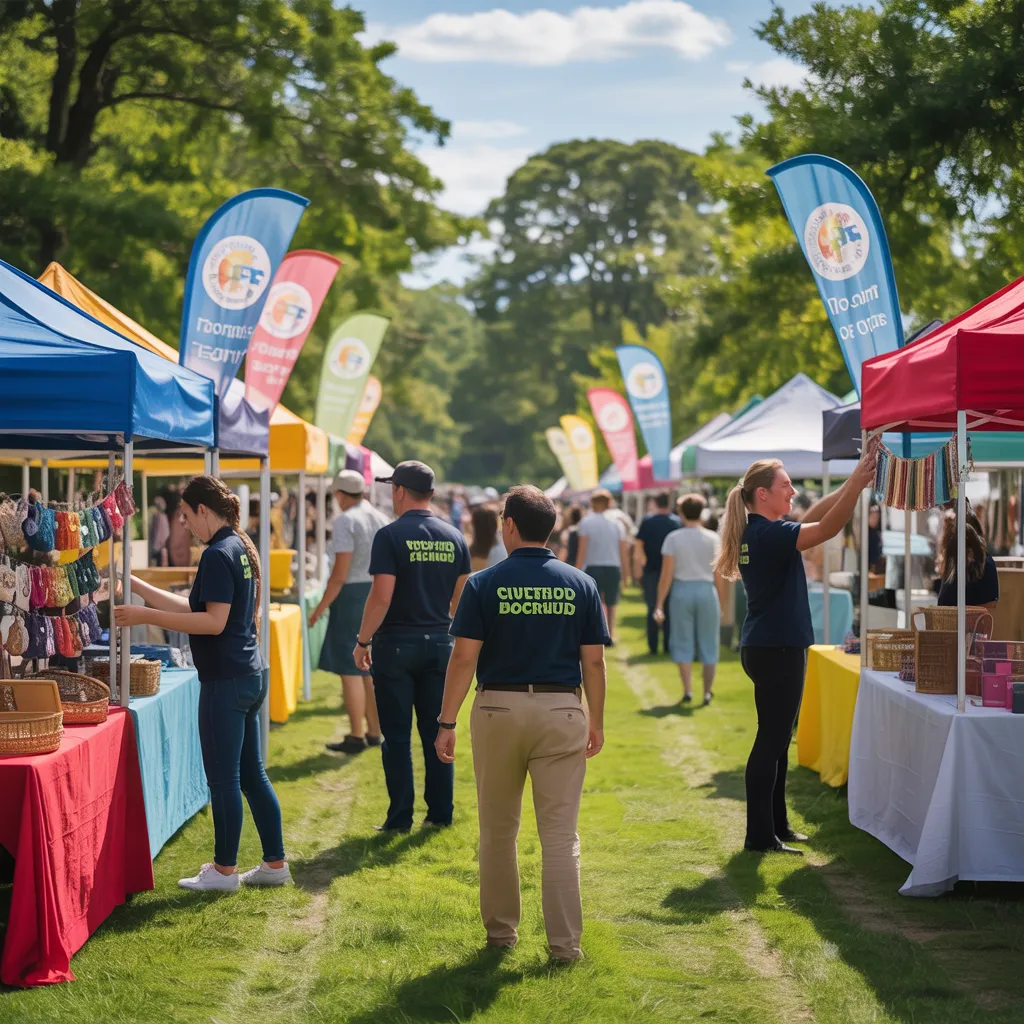
Event organizers function as the backbone of non-profit fundraising events, coordinating every aspect to ensure success. Their core function includes grasping the goals and vision of the organization, translating these into a cohesive event strategy. They handle arrangements, such as venue selection, catering, and audiovisual requirements, guaranteeing that every aspect corresponds with the event's purpose.
In addition, event planners are skilled in budgeting, helping organizations to maximize their resources while minimizing costs. They develop relationships with vendors and sponsors, negotiating contracts that benefit the charity's financial objectives.
Beyond organizational duties, they also focus on promoting the event, leveraging online and offline channels to increase turnout and involvement. Through organizing volunteers and team members, they establish a productive group dynamic, ensuring smooth operations on the event day. In essence, the position of an event organizer is critical in maximizing the complete influence and outcome of nonprofit fundraising occasions.
Finding Your Event Planner
What steps can a non-profit organization take to ensure it chooses the ideal event planner for its charity event? The hiring process commences with locating planners who carry relevant experience in the non-profit sector. Organizations are encouraged to examine portfolios and case studies so as to measure previous accomplishments and applicable expertise. Having discussions with prospective planners provides valuable insights into their grasp of non-profit objectives and values.
Moreover, nonprofits should pursue recommendations from associates or sector networks to verify reliability. Speaking with prospective planners about their event planning methodology, problem-solving strategies, and perspective on the event can reveal suitability. Cost-related aspects are also critical; organizers should present straightforward cost structures that match the charity's fiscal parameters. Ultimately, assessing communication preferences is critical—effective collaboration depends on clear and open dialogue. By systematically addressing these factors, a non-profit can confidently choose an event organizer who will effectively elevate its philanthropic gathering.
Engaging Themes That Inspire
What factors contribute to a truly captivating theme for a charity event? A well-crafted theme speaks to the audience and reflects the values of the non-profit. It should evoke emotion, sparking interest and engagement useful information among attendees. To illustrate, a "Masquerade Ball" can cultivate a sense of wonder, inspiring guests to engage through memorable shared experiences.
Furthermore, themes ought to be visually captivating, improving the overall ambiance and rendering the event unforgettable. Integrating interactive elements, for example live art or photo booths, can further captivate participants.
Furthermore, a carefully chosen theme can optimize the event planning process, shaping decisions related to decor, food, and entertainment. By guaranteeing that all elements of the event represent the established theme, organizers can deliver a cohesive experience that supports the charity's message. At the end of the day, a strong theme not only engages attendees but also fosters a more meaningful connection to the cause, encouraging generosity and support.
Effective Financial Planning for Charity Events
A compelling theme sets the tone for a charity event, but proper budgeting secures its successful implementation. Smart budgeting involves a thorough assessment of both fixed and variable costs, guaranteeing that every dollar advances the event's purpose. Experienced event coordinators frequently suggest developing a well-defined budget structure that includes venue costs, food and beverage, advertising, and entertainment options.
Prioritizing spending is essential; organizers recommend pinpointing key components that support the event's purpose. Furthermore, seeking in-kind donations and sponsorships can greatly reduce costs, enabling greater financial resources to be channeled into the initiative.
Consistent budget evaluations during the planning phase may reduce the likelihood of unforeseen expenses. By maintaining transparency with stakeholders regarding expenses, stronger trust and teamwork can develop. In the end, thoughtful financial planning not only strengthens the event's effectiveness but also bolsters the non-profit's standing, confirming that contributors understand the positive impact of their involvement.
Efficient Logistics Management
Proper logistics coordination is critical for the success of non-profit charity events. This requires effective venue management, optimized vendor relationships, and effective timeline management to ensure that all details come together smoothly. By focusing on these key factors, non-profit event coordinators can establish a streamlined experience that maximizes the event's overall effectiveness.
Efficient Venue Coordination
Although securing the right venue is essential for a successful charity event, efficiently coordinating logistics can make or break the overall experience. Effective venue coordination involves meticulous planning, from layout design to accessibility. Event coordinators must confirm that the location can support the projected attendance while promoting seamless movement during the event. Adequate signage, organized seating, and dedicated spaces for check-in and activities are essential for improving attendee participation. Moreover, consistent communication with venue team members is key to resolving any unanticipated problems. By coordinating these details efficiently, event organizers can establish a welcoming environment that enables attendees to concentrate on the event's purpose, ultimately resulting in increased fundraising achievements and community participation.
Streamlined Vendor Partnerships
In addition, pre-negotiated contracts with vendors can lead to cost savings, which is vital for non-profit budgets. A well-orchestrated vendor network also promotes creative solutions, as event planners can leverage the specialized knowledge and creative input of every partner. At the core, well-managed vendor relationships establish a unified and polished environment, playing a major role in the event's achievement and the organization's long-term mission.
Effective Schedule Management
When coordinating a non-profit charity event, punctual scheduling is crucial to ensure flawless coordination. Planning teams must build a thorough timeline that covers all elements of the event, from vendor arrivals to guest check-ins. This detailed organization minimizes the risk of delays and confirms that all staff members are clear on their roles. Frequent progress reviews and communications keep everyone informed, facilitating fast solutions when unplanned situations emerge. In addition, a well-structured schedule accounts for preparation and teardown periods, guaranteeing that the venue is properly prepared for attendees. With a commitment to disciplined time management, planning teams can enhance the overall experience, optimizing involvement and contributions to the nonprofit's goals while encouraging an efficient implementation of the occasion.
Creative Engagement Strategies for Charity Events
Forward-thinking interaction concepts can considerably elevate the appeal of philanthropic events. Embedding interactive fundraising activities, themed experiences, and impactful digital media tactics can cultivate lasting ties with attendees. Such methods don't just drive attendance but also magnify the broad reach of the event.
Interactive Fundraising Events
Captivating attendees in fundraising events calls for creativity, and interactive fundraising activities can turn traditional gatherings into engaging occasions. These activities not only promote community engagement but also motivate participants to engage meaningfully. Choices such as live auctions, where participants bid on unique items, or engaging activities that integrate donation incentives can considerably improve participation. Moreover, integrating technology, like mobile apps for real-time fundraising updates, facilitates direct engagement. Activities, such as charity walks or treasure hunts, can also inspire guests while collecting contributions. By embedding these participatory features, event coordinators create an enjoyable atmosphere that not only collects donations but strengthens connections among contributors, ultimately amplifying the reach of the fundraising event.
Specialty Themed Event Experiences
Developing themed event concepts can considerably improve the ambiance of charity gatherings. When adopting a consistent theme, event planners can build captivating settings that resonate with attendees. Themes such as masquerade balls, vintage fairs, or cultural festivals can enhance engagement and build a spirit of belonging. Creative embellishments, outfits, and events aligned with the theme can stimulate conversation and encourage participation. As an illustration, a \"Roaring Twenties\" theme might incorporate classic jazz, retro styling, and prohibition-era drinks, creating a memorable experience. Moreover, themed events can guide fundraising strategies, with auction items and donation drives customized to fit the motif. In summary, a thoughtfully implemented concept not only entertains but also deepens the meaningful tie to the purpose, thereby increasing the event's impact.

Strategies for Social Media Engagement
Harnessing the potential of social media can significantly enhance the reach and impact of charity events. Event coordinators can utilize platforms like Instagram, Facebook, and Twitter to generate excitement before, during, and after events. Compelling content, such as live-streaming segments, exclusive behind-the-scenes footage, and instant updates, keeps audiences involved. Incorporating interactive elements, like interactive polls and branded hashtags, encourages attendees to share their experiences, strengthening community involvement. Moreover, producing shareable visuals and marketing videos can increase exposure. After the event, coordinators should gather insights and stories from participants, enabling natural content sharing and building lasting relationships. By implementing these strategies, event coordinators can transform social media into a powerful tool for elevating charity events and broadening their impact.
How to Determine Event Success
What methods can event planners use to accurately assess the success of a non-profit charity event? Success metrics can vary, but several key indicators provide valuable insights. Initially, financial performance is crucial; planners should evaluate funds raised against goals set prior to the event. Additionally, participant feedback plays a critical role; post-event surveys can gauge satisfaction and engagement levels. Furthermore, social media data, encompassing shares, likes, and comments, can demonstrate the event's broader reach and its influence within the community.
Furthermore, examining the quantity of new donors or volunteers acquired during the gathering can reflect the potential for sustained engagement. A further significant element is media attention, as improved public visibility can strengthen the organization's reputation. To conclude, organizers should examine the overall logistical performance, including actual attendance rates versus registration numbers. By combining these metrics, organizers can achieve a complete picture of how successful their event was and highlight areas that require future development.
Questions We Are Often Asked
How Can I Recruit Volunteers for My Charity Event?
To recruit volunteers for a charity event, individuals can take advantage of local community boards, volunteer organizations, and social media. Additionally, connecting with schools and universities tends to attract motivated participants eager to share their time and expertise.
What Permits Are Required for Hosting Charity Events?
When organizing charity events, organizers commonly must obtain permits like outdoor gathering permits, alcohol licenses, and special event authorizations. Regulations differ depending on the region, so checking with local authorities is vital for ensuring compliance and smooth event coordination.
What Are the Best Ways to Promote My Charity Event?
To promote a charity event effectively, one must make use of various social media channels, partner with local media sources, work alongside influential personalities, develop visually compelling graphics, and stimulate grassroots word-of-mouth sharing while offering incentives for attendance and participation.
What Are the Most Common Mistakes to Avoid at Charity Events?
Frequent challenges at charity events involve poor preparation, unsuitable venue choices, lack of promotion, overlooking donor appreciation, and inadequate volunteer involvement. Resolving these concerns can substantially boost the event's performance and general achievement.
How Can I Follow up With Donors Following the Event?
Connecting with donors after an event entails conveying appreciation through tailored emails or personal notes, presenting key moments from the event, providing updates on the impact of their contributions, and encouraging continued involvement in upcoming projects.